by Cascade Ice on December 23, 2021
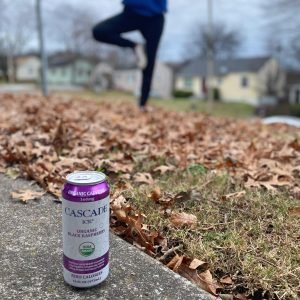
‘Tis the season for wonderful times with family and friends, festive merriment, and lots and lots of food and drinks! It’s that time of year that even the healthiest and most disciplined people can get off track during the holiday season and feel like they lose progress. After all, treats and temptations are everywhere, and routines can get disrupted easily.
That said, there are some easy tips that can help holiday-proof your healthy living plans and stay on track with your health goals, all while still enjoying every moment of the holiday season. Read on for some ways you can stay healthy through the holidays and right on into the new year.
Prepare for Challenges
Holiday parties are notorious for sweet treats and calorie-laden, rich foods. The best way to avoid overindulging is to go into the holiday season with a plan. For example, if there are sweets you have your eye on, make sure to cut back on carbs during the big meal so that you don’t overeat. Or, if the meal is served later in the day, make sure to eat a small snack earlier in the day to keep your blood sugar steady. And if you do happen to get off track, simply get back to healthy eating with your next meal. Adding in more physical activity like a long neighborhood walk or dance party can get your blood flowing and burn off some of those holiday feast calories.
Make some Healthy Swaps
When you’re faced with a buffet of delicious holiday food, and you certainly don’t want to miss out, you can simply make some small, healthier swaps instead of going without. With a slice of apple pie, choose whipped cream instead of ice cream and save over 150 calories. Instead of chips and dip, grab some fresh veggies instead and save 95 calories per serving. Skip the egg nog and enjoy a skinny cocktail or mocktail using Cascade Ice Sparkling Water instead, and cut over 200 calories!
Keep Moving
With the winter weather and packed schedule, physical activity could be the last thing on your to-do list. But getting your body moving is more important than ever during the holiday season because it not only helps burn calories, but it has also shown to help with stress and mental health. Plus, it can make up for any added calories you consume. So, sign up for a yoga class or take your dog for a walk.
Get some Shut Eye
Long winter nights and social obligations can mean less sleep. When you’re sleep deprived, your brain tends to prefer foods that have a higher sugar and fat content, making it harder to make healthy food choices. Make sure to get 7-8 hours of sleep each night and be consistent with bedtimes and routines. Ensuring a good night’s rest will go far in safeguarding your body from fatigue and will help you stay strong through all the holiday temptations.
Stay Hydrated
It’s common knowledge that thirst can often be mistaken for hunger. When you’re busy, water intake is usually an afterthought. Make sure you’re staying properly hydrated throughout the day to help with digestion, brain function, and energy levels. Is plain water getting boring? Try a Cascade Ice USDA Organic Sparkling Water for a sugar-free way to stay hydrated with the perfect amount of fresh flavor.
Most important of all, remember to enjoy all the holidays have to offer. Even if you get off track with your health goals, there is always tomorrow. The holiday season is meant to be surrounded by loved ones and indulging more than usual. With these tips, you can do all of that and still reach your health goals. Happy Holidays!
What is your favorite thing to indulge in during the holiday season? Tell us in the comments below or share a photo! Remember to “like” and “follow” us on Facebook, Twitter and Instagram.
by Cascade Ice on October 25, 2021

Cold and flu season is upon us, and experts are predicting that it will be more serious than years past. It’s important to be extra cautious and try to adopt some healthy habits to lessen your chances of getting sick. And if you do get sick, it’s nice to be prepared in case getting to your local drug store is too difficult.
While your immune system is a powerhouse that is designed to ward off sickness and disease, there are things you can proactively do to boost its effectiveness, and even minimize the time you suffer from an illness. Below are some top essentials to have on hand and things to do to not only help prepare you for cold and flu season, but also to make things easier if you’re at home with the cold or flu.
Sanitizer
When you sneeze or cough, germs are spread throughout the air and onto surfaces. So, one of the most important ways to keep cold and flu germs at bay is to wash your hands. If soap and water isn’t readily available however, hand sanitizer is a great alternative. Disinfecting wipes can also eliminate viruses and bacteria from surfaces around your home, and help stop the spread of cold and flu germs to others in your home. Make sure you even wipe down “high traffic” surfaces like doorknobs, light switches and even your cell phone!
Blender
Many times, when you’re sick or just feeling under the weather, your appetite suffers too. That’s why a blender can be a lifesaver during cold and flu season. A smoothie is a simple way to pack a bunch of illness-fighting nutrients into something that you’ll be able to stomach even when you’re not feeling your best. Your blender can even double as a food processor for small batches of soup, which is a favorite during those cold Fall and Winter months. Check out our recipes page for more healthy smoothie recipes!
Fruits and veggies
While fighting off a virus involves a lot more than simply eating more fruits and vegetables and there is no single food that will keep you from getting sick, it’s important that you eat a wide range of foods to cover all your bases of antioxidants, vitamins, and probiotics. You’ll also want to take a high-quality daily vitamin to fill in any gaps in your diet. Doctors and dieticians do agree, however, that eating a well-rounded diet that is chock full of fruits and vegetables can significantly boost your immune system function. Specifically, they suggest “eating the rainbow” and striving for brightly colored ones such as citrus fruits, red bell peppers, broccoli, spinach, papaya, and kiwi. Add them to your grocery list and have them on hand!
Humidifier
With colder temperatures in the Fall and Winter cold and flu season comes dry air, which can suck all the moisture from your skin and sinuses. Anyone who has suffered from illness will tell you that the dry air only makes your symptoms worse. To combat this, experts suggest running a cool mist humidifier in your bedroom. The moisture from the humidifier will bring you relief and ease the symptoms from store throats and dry sinuses.
Water
Staying hydrated is one of the most important things you can do to not only prevent illness, but to shorten the duration of your symptoms if you get sick. Drinking water helps flush toxins through your body faster and make you feel better by curbing dehydration symptoms on top of cold and flu symptoms. If the thought of chugging plain old water leaves something to be desired, reach for a Cascade Ice Sparkling Water to liven things up. Perhaps even invest in a refillable water bottle that helps you track how many ounces you’re taking in each day. You want to aim to drink your body weight in ounces when you’re under the weather.
What measures do you take to stay healthy during cold and flu season? Tell us in the comments below or share a photo! Remember to “like” and “follow” us on Facebook, Twitter and Instagram.
by Cascade Ice on July 15, 2021
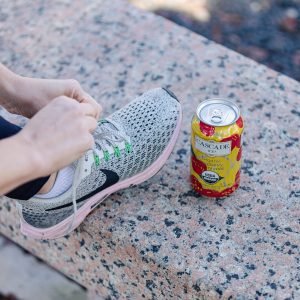
Now more than ever, people are headed outside to get fresh air and a healthy dose of exercise. With gyms across the country experiencing record low membership levels, what better reason to adopt some fun workouts that you can do outside?
Outdoor workouts challenge your muscles using a science called “muscle confusion.” With all the natural inclines, declines and various obstacles found in nature, your body must work harder to burn calories. But the great thing about it? You’re usually having so much fun and distracted by all the sights and sounds of the outdoors that you don’t realize how hard your body is working!
But where to start? Check out these 6 solid exercises you can do anywhere, using just your bodyweight:
Side Broad Jump
Target your leg muscles by standing on a flat surface starting with your feet together. Bend your knees and leap as far as possible to one side, landing on the foot of that same side. Leap back the other direction, landing on the opposite foot. Start with 15 hops on each side and use your arms as momentum.
Bench pushups
Build your chest, arms, and abs by finding a nearby bench or set of stairs. Place your hands on the top of the bench (or a few stairs up) and put yourself in a “plank” position with arms outstretched. Lower your arms and chest and then push up. Try to complete 20 repetitions.
Step-ups
Target your leg muscles using any type of object that you can safely step up on, like a stair, bench, or flat rock. Step up on each side, a total of 20 times. To switch things up, try lifting your leg up behind you when you step up, which will tone your glutes.
Sumo Squats
Set your inner thighs on fire with sumo squats! Stand with your feet farther than your hip width, with toes pointed slightly outward. Slowly lower your lower half down as far as you can go and repeat 20 times. To add a challenge, add a small hop at the top of the movement, or raise up on your tippy toes!
Bicycle Crunches
Lie flat on your back with both legs stretched out straight, with your arms bent behind your head. Take turns bending your left and right legs up to your chest, while pulling your core muscles tight and toward the ground below. As you alternate your legs bending, pull the opposite elbow from each leg to the opposite knee. Try to complete 20 crunches total and your abs will be on fire.
Mountain Climbers
Don’t be intimidated by the name – these are one of the most fun outdoor exercises there are! Begin in a plank position on the ground (or, if you need assistance, use an elevated surface instead) and alternate pulling your knees up to your chest in a rapid motion, getting your heart rate pumping. Make sure to keep your hips level and parallel to the ground. Try for 50 total mountain climbers.
With any outdoor exercise, remember two very important things – sun protection of at least SPF 30, as well as staying hydrated! Keep things refreshing and exciting by grabbing one of our USDA organic sparkling waters with a crisp dash of flavor.
Do you like to work out outdoors? Tell us in the comments below or share a photo! Remember to “like” and “follow” us on Facebook, Twitter and Instagram.
by Cascade Ice on June 20, 2021

Sugar is something that is ubiquitous in the American diet – it’s literally in almost everything we consume, from cereal to salad dressing. But what many people don’t realize is that it’s so easy to overconsume. The average healthy person should not eat more than 24 grams of sugar per day. And considering that an average chocolate candy bar contains about 20 grams of sugar, that doesn’t leave much left for other foods.
Why does sugar have such a bad rep? While sugar is a necessary part of our diet because it’s needed for our body’s cells to make energy, you can easily overdo it. Added sugar can be found in sodas, yogurt, soups, bread, and even ketchup. Diabetes is one disease that people typically think of when it comes to consuming too many added sugars, but overconsumption can also affect your heart health through prolonged (chronic) inflammation. High amounts of sugar can also overload your liver, which works hard to process sugar the same way it does alcohol. Over time, this could lead to fatty liver disease, which can be a slippery slope into both diabetes and heart disease.
But sugar consumption is a hard habit to break, especially when you tend to drink your sugar calories rather than eat them. Because liquid calories don’t satisfy our bodies like calories from solid foods, our bodies get “tricked” into consuming more calories in our daily diet than we actually need. How can you break the cycle? Here are a few tips to get you started.
First off, pay attention to what you’re consuming. Read labels and perhaps even start a journal to see where you’re at with your sugar consumption. Not the number of grams of sugar per serving on an item, as well as the total number of servings it contains. Also, keep track of both your food AND your beverages. Sometimes we forget that our morning frappuccino can be loaded with an excess of sugar grams because we’re not having to chew it.
Next, try some healthier swaps for things that may have too much of your daily sugar allotment. If you tend to reach for a grain-based breakfast, it’s likely that you’re adding more sugar than you realize. Instead, reach for a protein-packed breakfast like eggs or this green smoothie. It will keep you fuller longer, which will lead to less overconsumption and weight gain. If you can’t get enough of sodas, try a flavored sparkling water instead. Cascade Ice Sparkling Waters have different product lines to choose from, and are free of sugar, calories, gluten and sodium. Plus, you’re getting hydrated, which has proven to stave off sickness and maintain a healthy weight.
Lastly, whenever you can, reach for natural sugars – those found mainly in fresh and frozen fruit. Fruit is naturally sweet but has the added benefit of being full of fiber, vitamins and minerals to keep you healthy and full. Other examples of natural sugars can be found in greek yogurt, dark chocolate, and dates. So,reach for the real, good stuff when the sweet tooth cravings kick in!
What do you do to tame your sugar cravings or cut back on sugar? Tell us in the comments below or share a photo! Remember to “like” and “follow” us on Facebook, Twitter and Instagram.



